Komodo Island Resort’s Eco-Friendly Initiatives in 2027
Komodo Island resorts are increasingly focused on eco-friendly initiatives, with several properties leading the charge in sustainable tourism. This includes comprehensive waste management, renewable energy adoption, and robust marine conservation programmes, all designed to preserve the delicate Komodo ecosystem for future generations of visitors by 2027.
The Rise of Sustainable Travel: Eco-Friendly Komodo Island Resorts in 2027
The global shift towards sustainable travel is no longer a niche preference; it is a fundamental expectation for discerning travellers. By 2027, this trend will be particularly pronounced in destinations like Komodo National Park, where the natural environment is both the primary draw and its most vulnerable asset. Komodo Island resorts are evolving rapidly to meet this demand, integrating advanced eco-friendly initiatives that ensure the preservation of this unique Indonesian archipelago.
The allure of Komodo extends beyond its iconic dragons to its vibrant marine life and pristine landscapes. Visitors in 2027 will seek experiences that not only offer luxury and exclusivity but also demonstrate a genuine commitment to environmental stewardship. This means a focus on properties that actively minimise their ecological footprint, from energy consumption to waste management, and crucially, contribute to local conservation efforts.
Integrating Green Technologies and Practices
Many Komodo Island resorts are already making significant strides in adopting sustainable practices. By 2027, expect to see widespread implementation of solar power and other renewable energy sources, substantially reducing reliance on fossil fuels. Water conservation will be paramount, with advanced recycling systems for greywater and rainwater harvesting becoming standard. The goal is to achieve near self-sufficiency in resources, thereby lessening the impact on local infrastructure and natural supplies.
Waste management is another critical area. Resorts are moving towards zero-waste policies, involving comprehensive recycling programmes, composting organic waste, and eliminating single-use plastics entirely. Guests will find refillable amenities, filtered water stations, and carefully managed waste streams, all contributing to a cleaner, healthier environment. This commitment extends to responsible sourcing for kitchens, favouring local, seasonal produce to support communities and reduce carbon emissions from transport.
Komodo Island Resort’s Marine Conservation Programmes
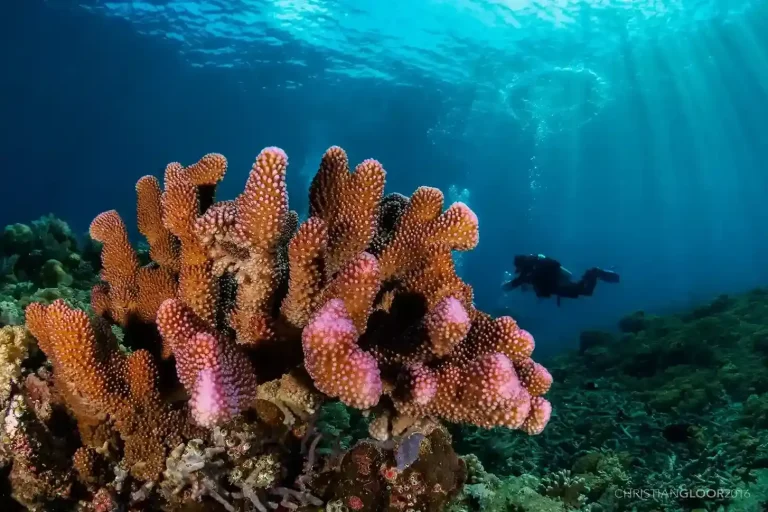
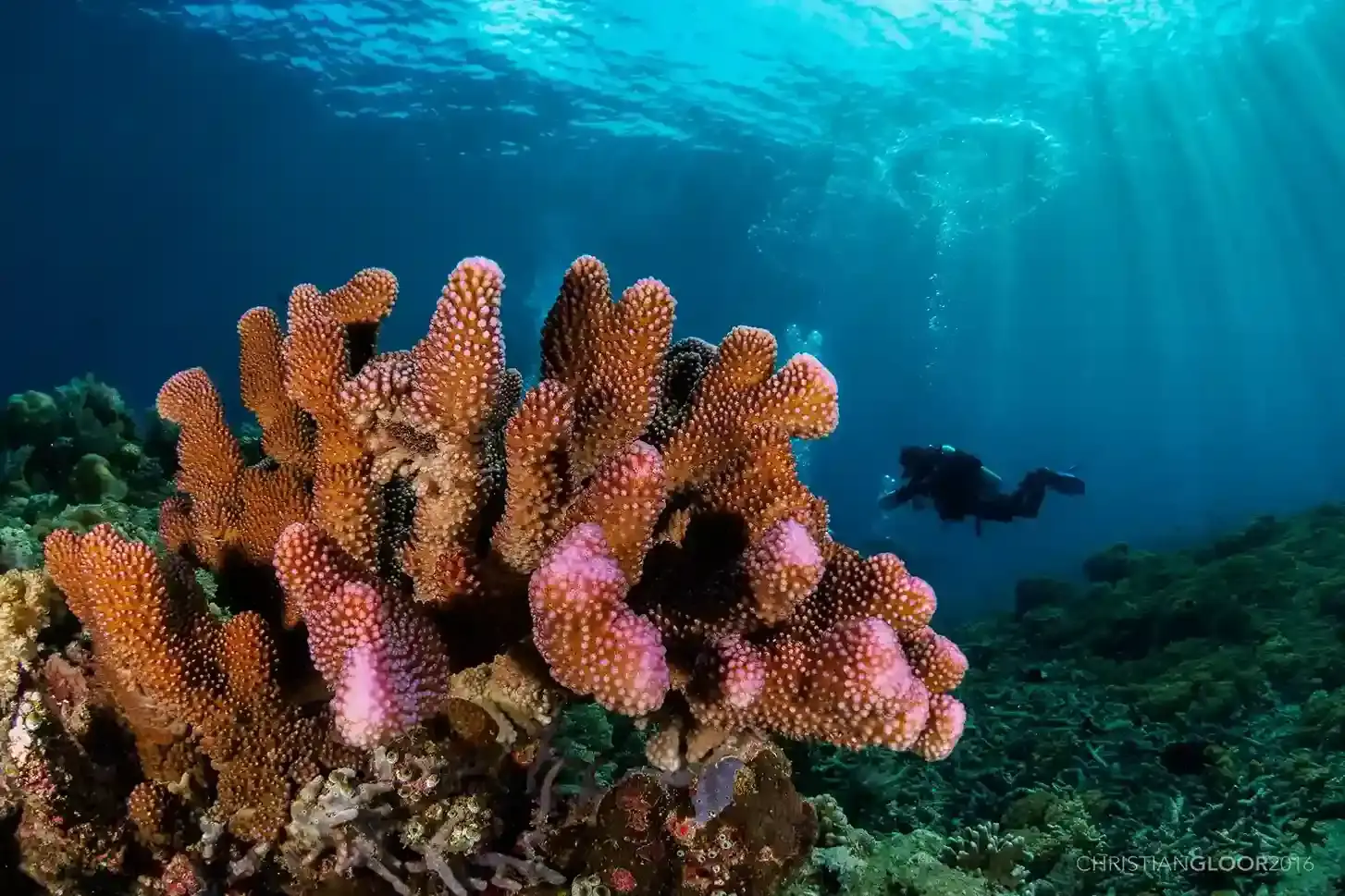
Given Komodo National Park’s status as a UNESCO World Heritage site, marine conservation is a cornerstone of sustainable tourism here. Komodo Island resorts are playing an increasingly active role in protecting the delicate coral reefs and diverse marine ecosystems. This includes funding and participating in coral restoration projects, supporting local anti-poaching initiatives, and educating guests about responsible snorkelling and diving practices.
For example, some resorts collaborate with marine biologists to monitor reef health and conduct research. Guests often have opportunities to engage in these activities, perhaps by joining guided reef clean-ups or participating in citizen science programmes that contribute to ongoing research. This direct engagement fosters a deeper appreciation for the marine environment and reinforces the importance of its protection. The focus on preserving manta ray habitats and other endangered species will remain a key priority.
The Komodo Island resort experience in 2027 will frequently combine private phinisi yacht charters with boutique resort stays. These combinations often include dedicated marine guides, ensuring that exploration of the marine park is both enriching and ecologically sound. Travellers seeking the best time to visit Komodo Island for manta rays and luxury diving in 2027 will find resorts offering tailored packages that align with optimal viewing seasons and conservation calendars.
Exclusive Experiences with an Eco-Conscience
The demand for exclusive Komodo Island resorts with private beaches near Labuan Bajo continues to grow. These properties are now designing their offerings to integrate luxury with a minimal footprint. Imagine a private villa resort for honeymoons in 2027, where every detail, from the construction materials to the energy source, reflects an environmental commitment. Such resorts offer guided dragon treks that prioritise the animals’ welfare and natural behaviour, ensuring a sustainable Komodo dragon viewing tour with luxury resort accommodation.
Table: Sustainable Practices in Komodo Island Resorts (Projected 2027)
| Area of Focus | Current Trend | 2027 Projection |
|---|---|---|
| Energy | Increasing solar use | Primary reliance on renewable energy |
| Water | Greywater recycling pilots | Comprehensive water harvesting & recycling |
| Waste | Reduced single-use plastics | Zero-waste programmes, advanced composting |
| Food Sourcing | Local produce preference | Strict local, seasonal, ethical sourcing |
| Marine Conservation | Reef monitoring, guest education | Active coral restoration, citizen science, anti-poaching support |
| Guest Engagement | Optional eco-activities | Integral part of luxury experience, guided conservation tours |
Luxury resort options in Labuan Bajo with direct Komodo National Park access are also prioritising sustainability. These properties offer late 2027 Komodo luxury cruise early booking discount resort options, encouraging planning that allows for more sustainable logistical arrangements. The all-inclusive phinisi yacht cruise stopping at Komodo Island resort will likewise emphasise responsible tourism, often featuring expert naturalists to enhance understanding of the local ecology.
The Role of Local Engagement and Education
Sustainable tourism extends beyond environmental practices to encompass social responsibility. Komodo Island resorts are increasingly partnering with local communities, providing employment opportunities, and supporting local businesses. This fosters a mutually beneficial relationship where tourism contributes directly to the well-being of the people who call Komodo home. Educational programmes for both staff and guests are crucial, ensuring that everyone understands their role in preserving this unique destination. For insights on navigating these evolving landscapes, one might consult experts like Kade Bergman, Komodo Island resort’s specialist.
A 2027 note: The trajectory indicates that luxury travel to Komodo will be intrinsically linked to demonstrable sustainability. Travellers will not merely expect eco-friendly options; they will demand transparency and verifiable impact from the resorts they choose. This will drive innovation and higher standards across the sector, ensuring Komodo’s natural beauty endures.
FAQ
Which Komodo Island resorts are leading the way in sustainable tourism and marine conservation efforts?
Several Komodo Island resorts are at the forefront of sustainable tourism and marine conservation. While specific names can change, leading resorts typically implement comprehensive waste management, utilise renewable energy sources like solar power, and actively participate in coral reef restoration projects. They often collaborate with local communities and marine biologists, educating guests on responsible practices and supporting anti-poaching initiatives within Komodo National Park.
What specific eco-friendly initiatives can guests expect to find at Komodo Island resorts in 2027?
By 2027, guests at Komodo Island resorts can expect a range of specific eco-friendly initiatives. These include the widespread use of solar energy, advanced water recycling and rainwater harvesting systems, and strict zero-waste policies that eliminate single-use plastics. Resorts will also prioritise local and sustainable food sourcing, offer guided eco-tours, and provide opportunities for guests to participate in marine conservation activities, such as reef monitoring or beach clean-ups.
How do Komodo Island resorts contribute to the local community through their sustainable practices?
Komodo Island resorts contribute significantly to local communities through their sustainable practices by creating employment opportunities for local residents, often with fair wages and training. They also support local businesses by sourcing produce, goods, and services regionally, which strengthens the local economy. Furthermore, many resorts invest in community development projects, such as education or infrastructure improvements, fostering a positive and sustainable relationship with the surrounding villages.
Keep Reading
Travel Journal
Komodo Yacht Charter for First-Timers 2027: Your Complete Guide
For first-timers considering a Komodo yacht charter in 2027, the experience is exceptionally well-suited. Private charters offer a personalised itinerary,…
Travel Journal
Komodo Island Resorts: Peak Season vs. Off-Season Deals in 2027
For 2027, Komodo Island resort's peak season pricing offers optimal weather and marine encounters, though at a premium. Off-season deals…
Travel Journal
What to Pack for Your 2027 Komodo Yacht Trip: Essential Checklist
Packing for a Komodo yacht trip in 2027 requires careful consideration of tropical weather, marine activities, and luxury comfort. Focus…