Komodo Diving Guide 2027: Top Dive Sites, Currents & Marine Life
Discover the best of Komodo National Park diving with our 2027 guide. Explore top dive sites, navigate challenging currents, and encounter diverse marine life. Prepare for daily park entry fees, and choose from a range of accommodations in Labuan Bajo or private island resorts. an memorable underwater adventure in Komodo.
Top Dive Sites in Komodo National Park
Komodo National Park is renowned for its lively marine biodiversity, offering divers a wide array of dive sites. One of the most popular is Batu Bolong, known for its strong currents and rich sea life. Divers here can expect to see colorful coral gardens, large schools of fish, and the occasional turtle or shark. Batu Bolong is particularly striking during the dry season when the visibility is at its peak, making it easier to spot the lively marine creatures that inhabit the area. This site is a must-visit for any diver seeking a thrill and the beauty of underwater life.
Another must-visit site is the Cauldron, where a fast drift dive takes you across a submerged crater filled with marine marvels. The currents at the Cauldron can vary, creating an exciting dive experience that can surprise even the most seasoned divers. Crystal Rock and Castle Rock are also favorites among experienced divers. These sites are teeming with life, including barracudas, trevally, and the elusive pygmy seahorse, offering a challenging yet rewarding experience. Manta Alley and Makassar Reef are perfect for manta ray encounters, offering divers the chance to see these graceful creatures up close. Each site offers a unique diving experience, making Komodo a top destination for divers worldwide.
Understanding Komodo’s Currents
Diving in Komodo can be challenging due to its strong and unpredictable currents. These currents are caused by the convergence of the Indian and Pacific Oceans, creating nutrient-rich waters that support the park’s diverse marine life. The nutrient influx not only benefits marine biodiversity but also affects the visibility conditions, which can range from 10 to 30 meters depending on the season and site. It’s vital for divers to be aware of these conditions and dive with experienced guides who understand local patterns.
The currents can vary significantly from one site to another. For instance, Batu Bolong is known for its swirling waters, while sites like Turtle City are more sheltered, making them ideal spots for those who prefer a more leisurely dive experience. Divers should be prepared for drift dives and ensure that they have the proper training and equipment to handle these conditions. Safety should always be a priority when exploring Komodo’s underwater landscapes, with local guides often recommending specific dive windows that align with tidal changes to maximize safety and enjoyment.
Marine Life in Komodo National Park
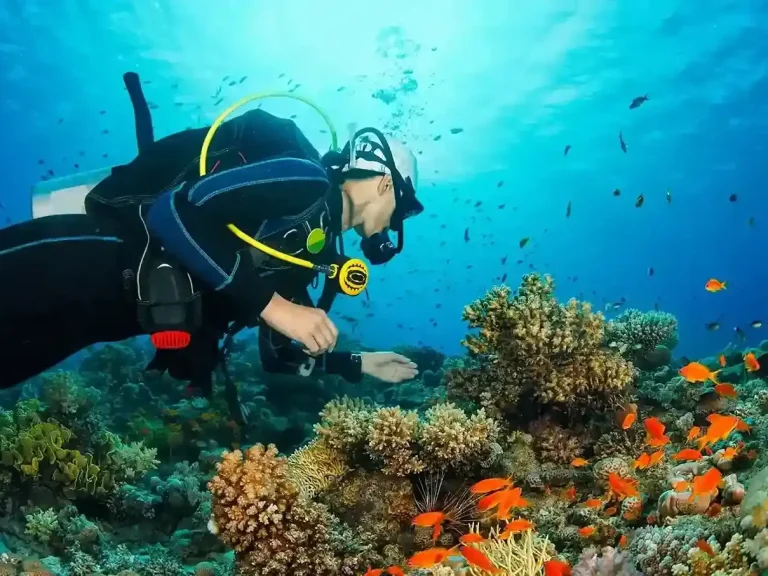
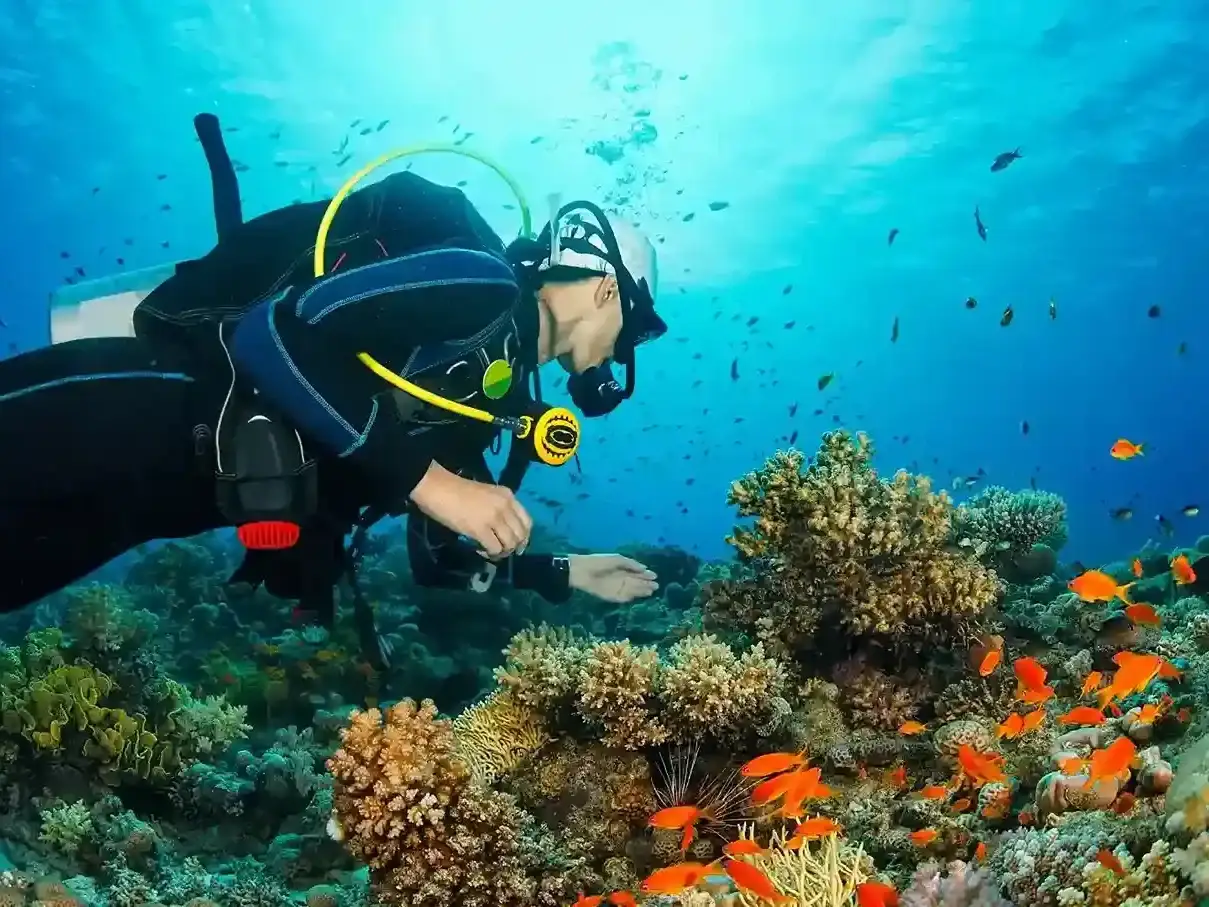
Komodo National Park is home to an extraordinary variety of marine species. Divers can encounter everything from tiny nudibranchs to large pelagic fish. The park’s coral reefs are inhabited by clownfish, angelfish, and butterflyfish, creating a lively underwater notable. The diversity of the marine life is particularly pronounced during the dry months of April to November, when water temperatures range from 27°C to 30°C, creating optimal conditions for underwater encounters.
Larger marine life is also a significant attraction in Komodo. The park is famous for its manta rays, which can be seen gliding gracefully through the waters, particularly at sites like Manta Point. Shark enthusiasts might spot blacktip and whitetip reef sharks, while lucky divers might even encounter the rare dugong. The rich biodiversity of Komodo’s waters promises an exciting dive every time, with the possibility of encountering unusual species like the Napoleon wrasse. Whether you’re a macro enthusiast or a big fish lover, Komodo offers thrills around every corner.
Park Fees and Regulations
Visiting Komodo National Park comes with specific entry fees and regulations. As of 2027, non-divers pay approximately IDR 250,000 (~USD 17) for marine park entry, with additional conservation and harbor fees totaling around IDR 350,000 (~USD 23-25) per day. Divers are required to pay an extra IDR 25,000 surcharge. These fees are in place to help support conservation efforts within the park, ensuring that its unique ecosystems are preserved for future generations.
Ranger-led activities, such as the Komodo dragon trek on Komodo or Rinca Island, have group fees of IDR 200,000 per group of up to five visitors. The Padar Island hike also requires a ranger, with a fee of IDR 150,000 per group. It’s essential for visitors to adhere to park regulations to protect its fragile ecosystems and ensure a safe and respectful experience. The proposed IDR 3,750,000 (~USD 250) annual premium ‘membership’ entrance fee triggered major backlash in 2022 and was officially scrapped, making the park more accessible with the standard daily foreign tickets.
Accommodation Options in Labuan Bajo
Labuan Bajo serves as the primary access point for divers visiting Komodo. Accommodation options range from budget hostels to luxury resorts. Travelers can find budget-friendly options like Loccal Collection, with rates starting at IDR 1,200,000 per night, offering comfortable stays without the high price tag. Mid-range choices include hotels like Katamaran, offering comfort and convenience without breaking the bank. For backpackers, budget accommodations in Labuan Bajo can be found from as low as IDR 200,000 (~USD 13) per night, making it an affordable destination for all types of travelers.
For those seeking a more luxurious stay, Waecicu Beach is home to high-end resorts like AYANA Komodo and Plataran Komodo. These resorts offer striking views and top-tier amenities, with nightly rates ranging from IDR 2,500,000 to 6,500,000 (~USD 170-450+), catering to those who wish to enjoy in some luxury. Alternatively, private island escapes such as Sudamala Seraya Island and Komodo Resort & Diving Club provide exclusivity and privacy for discerning travelers, with ultra-luxury options available from IDR 4,500,000 to 12,000,000 (~USD 300-800+) per night.
Getting There: Flights and Transfers
Komodo Airport (LBJ) in Labuan Bajo is the main entry point for visitors to the park. The airport is well-connected with daily flights from Bali’s Ngurah Rai International Airport (DPS), with airlines such as Garuda Indonesia, Batik Air, and Citilink providing a range of options. The flight takes approximately one hour, offering a convenient connection for international travelers arriving via Bali. Flight prices can vary, with booking in advance often securing the best rates, typically ranging from IDR 1,000,000 to 2,500,000 (~USD 70-170) depending on the airline and season.
Upon arrival in Labuan Bajo, visitors can arrange transfers to their accommodations or directly to the harbor for liveaboard trips. Many resorts offer shuttle services, ensuring a smooth transition from the airport. Whether staying on the mainland or venturing to an offshore resort, reaching Komodo is straightforward, allowing divers to focus on the underwater experiences that await. For those interested in exploring the area further, car rentals and local taxis are also available, offering flexibility for various itineraries.
New Developments: Sustainable Tourism Initiatives
In recent years, the focus has shifted towards sustainable tourism in Komodo National Park. The park authorities have introduced several measures to ensure that tourism activities do not adversely impact the environment. These initiatives include stricter regulations on waste management and the implementation of eco-friendly practices by local tour operators. The goal is to maintain the park’s natural beauty while allowing visitors to enjoy its wonders responsibly.
Some resorts and dive operators have embraced these sustainable practices by offering eco-friendly accommodations and promoting conservation efforts. For example, several resorts have adopted solar power and other renewable energy sources to reduce their carbon footprint. Additionally, educational programs are being offered to both tourists and locals, focusing on marine conservation and the importance of protecting the unique biodiversity of Komodo. These efforts are beginning to bear fruit, as more travelers seek out destinations that prioritize environmental stewardship.
FAQs
Q? What is the best time of year to dive in Komodo? A: The best time to dive in Komodo is during the dry season, from April to November. During this period, conditions are optimal with clear waters and abundant marine life. However, divers can visit year-round as the park offers good diving opportunities in all seasons. The wet season, while less popular, brings its own unique experiences, such as fewer crowds and the lush beauty of the surrounding islands.
Q? How can I book a diving trip in Komodo? A: Diving trips can be booked through various operators in Labuan Bajo. Many resorts and liveaboards offer packages that include accommodation, diving, and transfers. It’s recommended to book in advance, especially during peak season, to secure a spot with a reputable operator. Prices for liveaboard trips generally range from IDR 3,750,000 to 10,500,000 (~USD 250-700+) per person per night.
Q? Are there any safety concerns for divers in Komodo? A: While Komodo is generally safe for diving, its strong currents can be challenging. Divers should be experienced or dive with a guide familiar with the local conditions. Adhering to safety protocols and having proper equipment is crucial for a safe diving experience in Komodo. It’s also wise to have dive insurance that covers underwater activities, ensuring peace of mind while exploring the park’s depths.
For wider arrangements, our partner labuanbajoluxury can coordinate end to end.
See also: Best Time to Visit Komodo National Park in 2027: Month-by-Month Guide, Best Time to Dive Komodo in 2027: Manta Season, Visibility & Water Temps · Home.
Keep Reading

Uncategorized
Komodo Open Trip 3D2N vs Resort Stay: 2026 Guide
Book a 3D2N open trip if seeing the islands is your priority: shared-cabin departures from Labuan Bajo start at USD…
Uncategorized
Komodo Private Boat: Premium vs. Standard Service & the Reality of Police Escorts in Bali
Understanding the distinction between premium and standard private boat services is crucial for your Komodo adventure, particularly when considering logistical…
Uncategorized
Labuan Bajo Liveaboard Cost & Price Guide 2027: Planning Your Komodo Expedition
Planning a 2027 Labuan Bajo liveaboard requires understanding current pricing. For a 3-day/2-night trip, expect per-person costs from IDR 3.7…