
Komodo Island Resorts and Raja Ampat Marine Biodiversity: A Definitive Guide
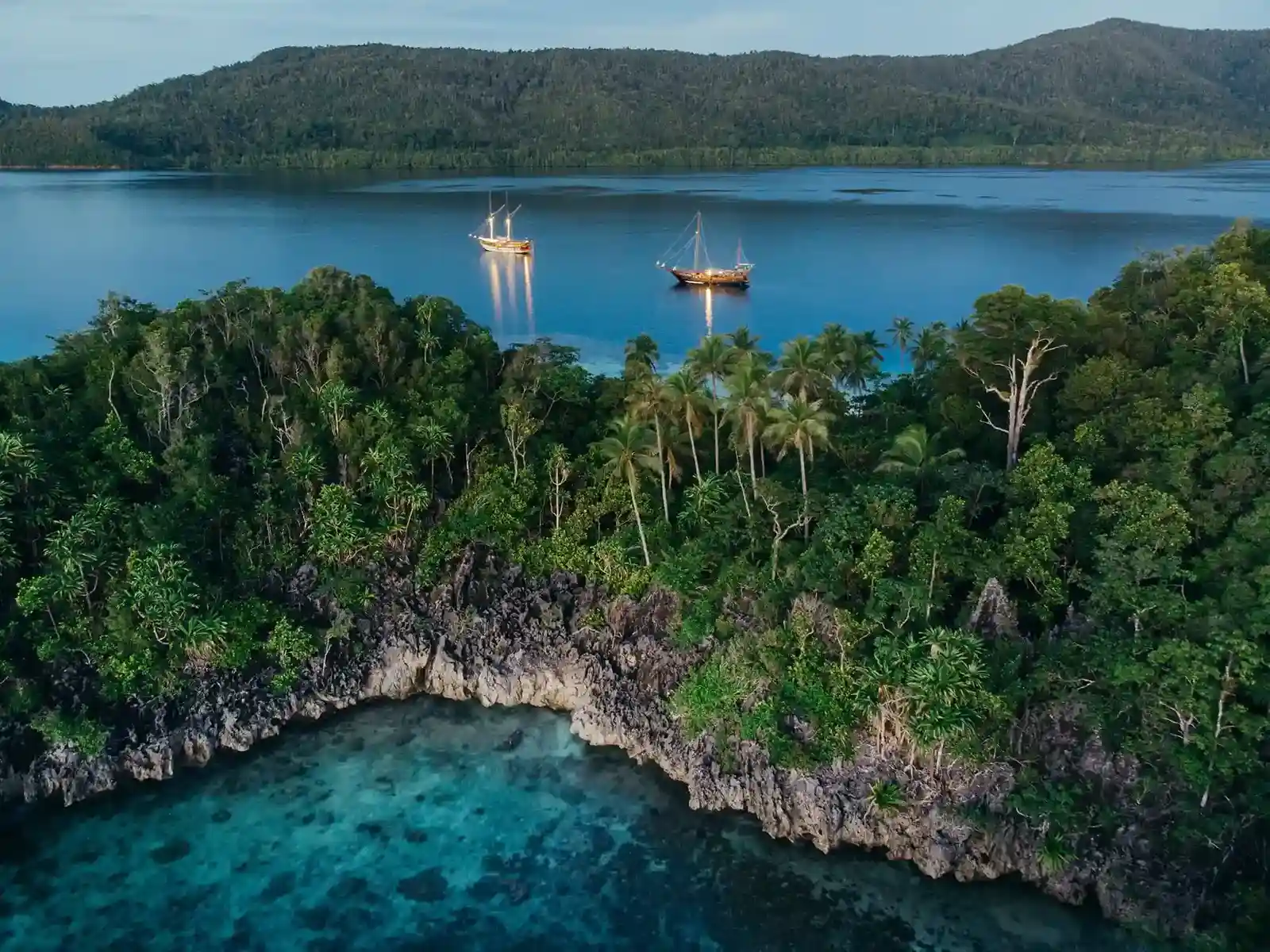
Raja Ampat, a crucial area for marine biodiversity, is home to 75% of all known coral species and an extraordinary range of fish, mollusc, and marine mammal species across a vast protected zone. Resorts in the Komodo region, though distinct, draw parallels in their commitment to marine conservation and offering access to diverse underwater ecosystems, making understanding Raja Ampat’s significance vital for discerning marine enthusiasts.
The Unrivalled Biodiversity of Raja Ampat
Raja Ampat, often termed the ‘Amazon of the Seas’, stands as the global epicentre of marine biodiversity. Its waters, part of the Coral Triangle, host the highest recorded marine diversity on Earth. This extraordinary richness is not merely a figure; it represents a complex, resilient ecosystem crucial for global marine health. For those considering a stay at Komodo Island resorts, understanding the scope of biodiversity in nearby, ecologically similar regions like Raja Ampat offers valuable context regarding conservation efforts and the quality of marine experiences available.
The sheer number of species found here is astonishing. We know that Raja Ampat contains 75% of all known coral species globally. This translates to 550 to 600 distinct coral species, including over 500 reef-building corals per eco-region. The fish population is equally impressive, with an estimated 1,320 to 1,800 reef fish species identified, 1,427 of which are found in the Dampier Strait alone. Molluscs are also highly diverse, numbering around 700 species. This concentration of life forms creates an intricate food web and a visually spectacular underwater environment.
Marine Mammals and Protected Species
The waters of Raja Ampat are a sanctuary for a wide array of marine mammals. A total of 17 marine mammal species call these waters home, including sperm whales, orcas, dugongs, dolphins, and Bryde’s whales. This makes encounters with these majestic creatures a distinct possibility for visitors. Furthermore, five species of sea turtles are present, notably the endangered hawksbill turtle, underscoring the critical importance of the area for species protection.
Beyond the more commonly known species, Raja Ampat also hosts several endemic species, unique to this region. These include the Wobbegong Shark, the Epaulette Shark, the Pygmy Seahorse, the Mantis Shrimp, and the Ghost Pipefish. These unique inhabitants highlight the area’s distinct evolutionary path and its irreplaceable value to global biodiversity.
Fact: Raja Ampat’s total marine area, designated as a UNESCO Biosphere Reserve, spans an impressive 12,565,197 hectares, showcasing the monumental scale of its protected environment.
Protection and Conservation Efforts
The extensive biodiversity of Raja Ampat is safeguarded by substantial protection measures. The total reserve area encompasses 13,382,438 hectares, covering 610 islands, only 34 of which are inhabited. This vast expanse includes 10 Marine Protected Areas (MPAs) that collectively cover approximately 35,000 km², protecting around 45% of the region’s coral reefs and mangroves. These MPAs are vital for maintaining the health and resilience of the ecosystem.
The success of these conservation efforts is reflected in the reef condition; approximately 60% of the coral reefs in Raja Ampat are in good to excellent condition. This figure is a to the ongoing dedication to preservation and sustainable management practices, ensuring the region remains a thriving marine haven.
Diving and Eco-Tourism Highlights
Raja Ampat is consistently ranked as a top diving destination globally, a reputation earned through its vibrant reefs and abundant marine life. Key diving locations include the Dampier Strait, which is considered an epicentre of marine diversity, and the Birds Head Seascape, a protected area spanning 4.5 million hectares. Divers can expect water temperatures ranging from 80–86°F (27–30°C) and visibility typically between 50–100 feet (15–30 m), providing ideal conditions for underwater exploration.
The likelihood of encountering megafauna is exceptionally high. Visitors frequently report sightings of sea turtles, manta rays, whale sharks, and whales. These experiences are a significant draw for eco-tourists and contribute to the region’s economy, which traditionally relies on fishing. The shift towards sustainable tourism practices is crucial for the long-term viability of both the ecosystem and the local communities.
- Coral Species: 550–600 species (75% of world’s known corals)
- Reef Fish: 1,320–1,800 species
- Marine Mammals: 17 species, including whales and dolphins
- Sea Turtles: 5 species, including endangered Hawksbill
- Endemic Species: Wobbegong Shark, Epaulette Shark, Pygmy Seahorse
Global Significance and Geological History
Raja Ampat’s global importance extends beyond its current biodiversity. It lies at the heart of the Coral Triangle, an area recognised for the highest marine diversity on Earth. The ecosystem here boasts a history spanning approximately 30 million years, with the geological formations settling around 25 million years ago. This long evolutionary timeline has allowed for the development of a unique and complex array of species, making it an invaluable site for scientific study and conservation.
The nomination of Raja Ampat as a UNESCO Biosphere Reserve in 2025 further solidifies its status as a globally significant natural heritage site. This designation provides additional layers of protection and promotes sustainable development that balances conservation with the needs of the local population, which totals around 2,701,000 across the reserve area.
2027 note: The UNESCO Biosphere Reserve status, nominated in 2025, is expected to bring heightened international awareness and support for conservation initiatives in Raja Ampat. This will likely lead to further advancements in sustainable tourism practices and enhanced protection for its extraordinary marine life, directly influencing how Komodo Island resorts consider their own ecological footprints and guest experiences.
Comparing Raja Ampat’s Features
| Feature | Detail |
|---|---|
| Coral Species | 75% of all known species (550-600 total) |
| Reef Fish Species | 1,320-1,800 species |
| Marine Mammals | 17 species (whales, orcas, dugongs, dolphins) |
| Protected Marine Area | ~12.5 million hectares |
| MPAs | 10 MPAs covering ~35,000 km² |
| Reef Condition | 60% in good to excellent condition |
FAQ
What makes Raja Ampat so important for marine biodiversity?
Raja Ampat is considered the world’s epicentre of marine biodiversity because it hosts 75% of all known coral species, over 1,300 reef fish species, and numerous marine mammals within its vast, protected waters. This concentration of life is unmatched globally.
How do Komodo Island resorts relate to Raja Ampat’s biodiversity?
While geographically distinct, Komodo Island resorts often share a similar commitment to marine conservation and offer access to rich underwater environments. Understanding Raja Ampat’s ecological significance helps guests appreciate the broader context of marine protection efforts and the quality of diving and snorkelling experiences available in the wider Indonesian archipelago.
What conservation efforts are in place to protect Raja Ampat?
Raja Ampat is designated as a UNESCO Biosphere Reserve, covering over 12.5 million hectares. It includes 10 Marine Protected Areas (MPAs) that safeguard a significant portion of its coral reefs and mangroves, ensuring that 60% of its reefs remain in good to excellent condition.
Keep Reading

Uncategorized
Komodo Open Trip 3D2N vs Resort Stay: 2026 Guide
Book a 3D2N open trip if seeing the islands is your priority: shared-cabin departures from Labuan Bajo start at USD…
Komodo Travel
How to Pay for a Komodo Charter Safely: Card Rails, Legal Entities and a Checklist
Pay by card, to a registered company, never to a person. What card rails give you, why a registered legal…
Stays
What to Expect on a Komodo Island Liveaboard in 2026 (Part 7)
A Komodo Island liveaboard in 2026 promises an unforgettable experience filled with stunning marine life, breathtaking landscapes, and the thrill…